
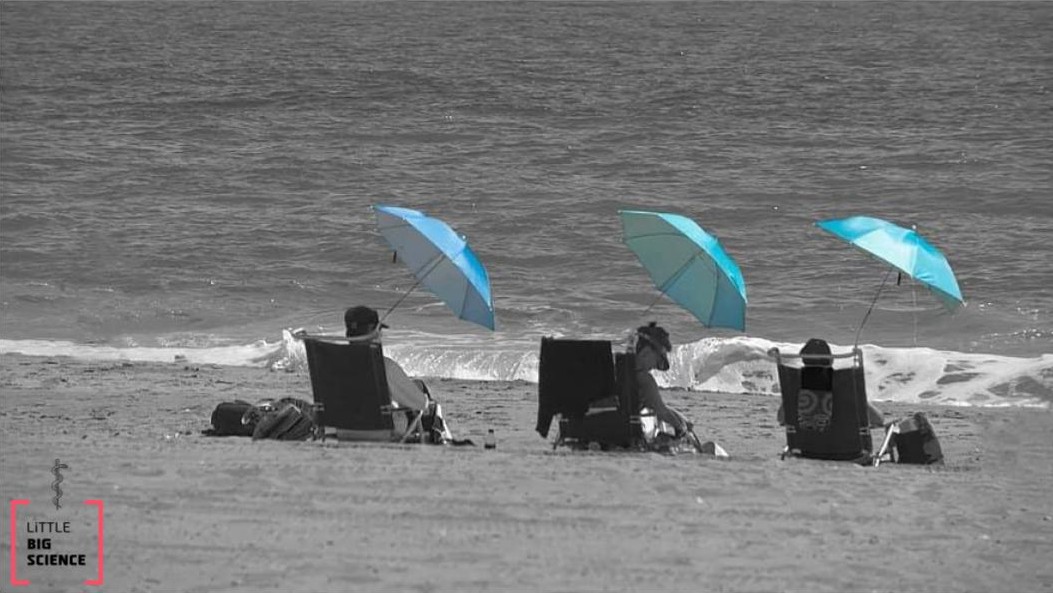
Exposure to solar radiation can damage the DNA of skin cells, which may lead to the development of several types of skin cancer. Skin cancer can emerge in various cell types located in the skin’s outer layer, each with its own distinct characteristics. The most effective way to reduce the risk of skin cancer is to properly protect oneself from the sun.
Advertisement
Cells in our bodies divide continuously as part of growth and renewal processes. Under normal circumstances, cell division is tightly regulated by various mechanisms. Cancer is the collective name for diseases in which cells divide at an increased and uncontrolled rate. Cancer can affect different tissues in the body and involve various cell types. Skin cancer comprises three main diseases, each originating from a different cell type within the outermost skin layer—the epidermis. The three common forms of skin cancer are squamous cell carcinoma, basal cell carcinoma, and melanoma [1].
The epidermis is composed mainly of cells called keratinocytes. These cells are the source of the two most common skin cancers: basal cell carcinoma and squamous cell carcinoma (see illustration below). Basal cell carcinoma arises from keratinocytes in the deepest layer of the epidermis, whereas squamous cell carcinoma originates from keratinocytes in the upper layers. Basal cell carcinoma is the most prevalent type of skin cancer. It usually develops slowly, remains localized, and rarely metastasizes to distant organs. Squamous cell carcinoma also often remains local, but in some cases it can grow rapidly and metastasize. An untrained eye will find it hard to distinguish between these two cancers. They typically appear as a raised lesion or a sore that fails to heal over a long period and generally occur in sun-exposed areas such as the face, back, and arms [1–3].
Melanoma is a cancer that develops in skin cells called melanocytes. These cells produce the pigment melanin, which gives the brown color to our skin, moles, hair, and eyes. Under normal conditions, melanocytes synthesize melanin and transfer it to neighboring skin cells. In those adjacent cells, the melanin positions itself above the cell nucleus and forms a protective layer between the nucleus, which contains the DNA, and incoming solar radiation. Melanin thus partially shields other skin cells from sun-induced damage [4,5]. When we tan, for example, it signals that skin cells have already been damaged by solar radiation and the body has produced extra melanin to cope with further exposure. Although melanoma accounts for only about 5% of skin-cancer cases, it is responsible for most skin-cancer deaths because it tends to develop rapidly compared with the other two types. In addition, it often metastasizes to distant organs such as the lungs and brain. For comparison, metastases are found at the initial diagnosis in 5–15% of melanoma patients, whereas squamous cell carcinoma is hardly ever metastatic at this stage [6–8]. When cancer is widespread in many organs, removing the primary tumor will not lead to recovery, and treatment becomes far more complex [4,6].

Illustration of the structure of the outer skin layer—the epidermis. At the base of the layer, between the basal cells, lie the melanocytes, which transfer melanin to the surrounding squamous cells. | National Cancer Institute
The main risk factor for all three types of skin cancer is exposure to sunlight. When ultraviolet radiation from the sun hits our skin, it can create breaks in the cellular DNA, producing local changes in the genetic material of the affected cells. Errors may occur while the cells try to repair these breaks, leading to mutations in the DNA sequence. Such mutations can alter genes that are crucial for maintaining normal cellular behavior. The emergence of these mutations can, for example, disable mechanisms that regulate cell division, leading to excessive proliferation and, ultimately, cancer [9,10].
People with fair skin have a higher risk of developing skin cancer because their skin contains less melanin, leaving the DNA in their skin cells more exposed to radiation damage [11]. Individuals with freckles or many moles are at increased risk of melanoma. People with a personal or family history of any of these cancers are also at high-risk. Nevertheless, melanin in our skin does not completely block radiation from reaching the DNA, and even individuals with dark skin are vulnerable to sun damage. Therefore, everyone is advised to visit a dermatologist once a year for a thorough examination to detect suspicious lesions. If a person possesses known risk factors, they are advised get examined twice a year. We can also inspect our own skin and look for suspicious findings. For example, moles that may be suspect for melanoma often have irregular borders, uneven color, and an asymmetrical shape. The most important sign is change: after age 40, no new moles should appear and existing moles should remain unchanged, so any alteration warrants a visit to the dermatologist. Early detection of any cancer, including skin cancer, allows more effective treatment and increases the chances of recovery [1,2].
Bottom line: the best way to reduce the risk of skin cancer is to avoid risk factors. It is recommended to limit sun exposure and protect the skin from solar radiation throughout the year, especially in summer. Additional precautions include avoiding tanning (including tanning salons), applying sunscreen, and wearing a hat. All of these measures help lower the risk of developing the three types of skin cancer [2].
English editing: Elee Shimshoni
References:
- Skin cancer overview from the American Academy of Dermatology
- Detailed overview of skin cancer from StatPearls
- Review on non-melanoma skin cancers
- Book on melanoma, risk factors, and treatments
- Article on the mechanism by which melanin protects against radiation damage
- US Melanoma stats from the NCI
- Article on melanoma rates in Germany
- Article on melanoma rates in Florida
- YouTube video explaining solar radiation and skin damage
- Article on ultraviolet radiation damage to DNA
- Article on the melanin production process