
Advertisement
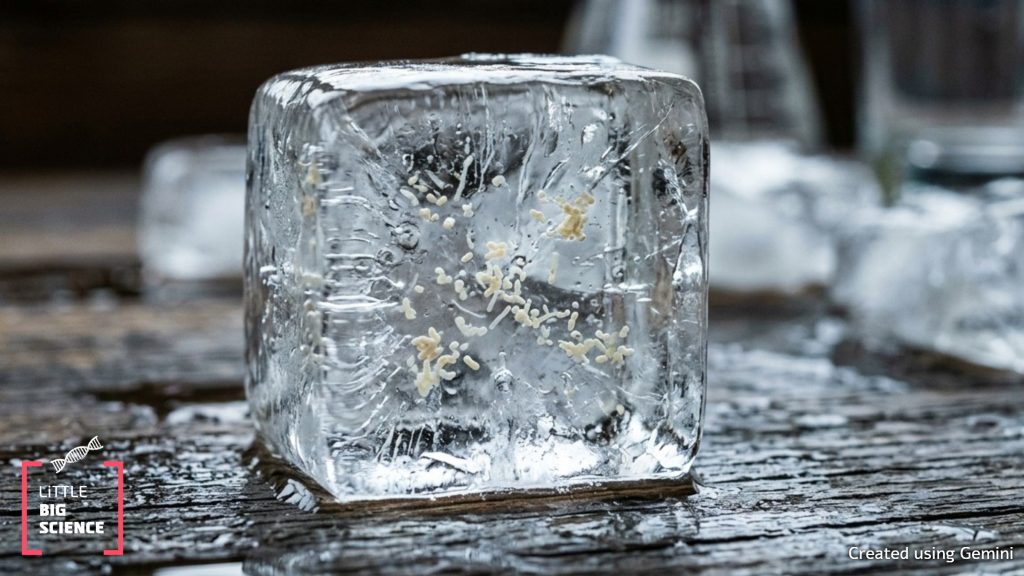
Glaciers, and particularly those located in caves, can preserve ancient microorganisms that were trapped inside them for thousands of years. A recent study in Romania examined bacteria of the genus Psychrobacter that were isolated from approximately 5,000-year-old ice in the Scărişoara Ice Cave. These bacteria were found to be adapted to low temperatures and high salt concentrations, which are similar to the conditions in which they were preserved.
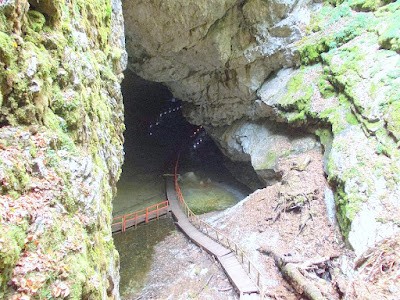
Scărişoara Ice Cave
Photo: Țetcu Mircea Rareș, Wikimedia Commons
Led by Cristina Purcarea of the Bucharest Institute of Biology, the researchers isolated and fully sequenced the genomes of newly discovered bacteria. The bacteria were assigned to the known genus Psychrobacter but to a new species provisionally named P. sp. SC65A.3. These bacteria are well adapted to extreme conditions. The researchers identified genes related to coping with various stress conditions, and found that the bacteria can grow at very low and high temperatures and survive in high salt concentrations. Such traits are typical of bacteria living in fluctuating environments.
The bacteria were resistant to ten different antibiotics. This type of resistance is typically found in pathogenic bacteria that are isolated from antibiotic-rich environments, such as hospitals and nursing homes. The bacteria's genomes contained more than a hundred genes associated with antibiotic resistance, some of which are also found in well-studied pathogenic bacteria. In addition, the researchers found genes related to heavy metal resistance and to “pumps” that expel various drugs from the cell.
In laboratory experiments the bacteria inhibited the growth of 14 different pathogenic bacteria. This finding indicates that the bacteria produce antibiotic substances. It is still unclear whether these compounds are already known or entirely new. Follow-up studies may potentially reveal new antibiotics produced by these bacteria.
This is another fine example of how antibiotics and resistance mechanisms naturally arise in the wild as part of competition and survival, independent of human activity.
Ice caves harbor biological diversity that has barely been explored. They may conceal other ancient bacteria and organisms with intriguing properties. Such organisms have the potential to benefit medicine, agriculture, or industry.
Hebrew editing: Smadar Raban
English editing: Gloria Volohonsky
References:

Dror is a member of Little, big Science's board of directors. He holds a PhD in Molecular Biology and has authored textbooks and articles for the general public, primarily in microbiology as well as other biological subjects. Dror taught microbiology and cell biology for more than 30 years at the Open University and other institutions.


